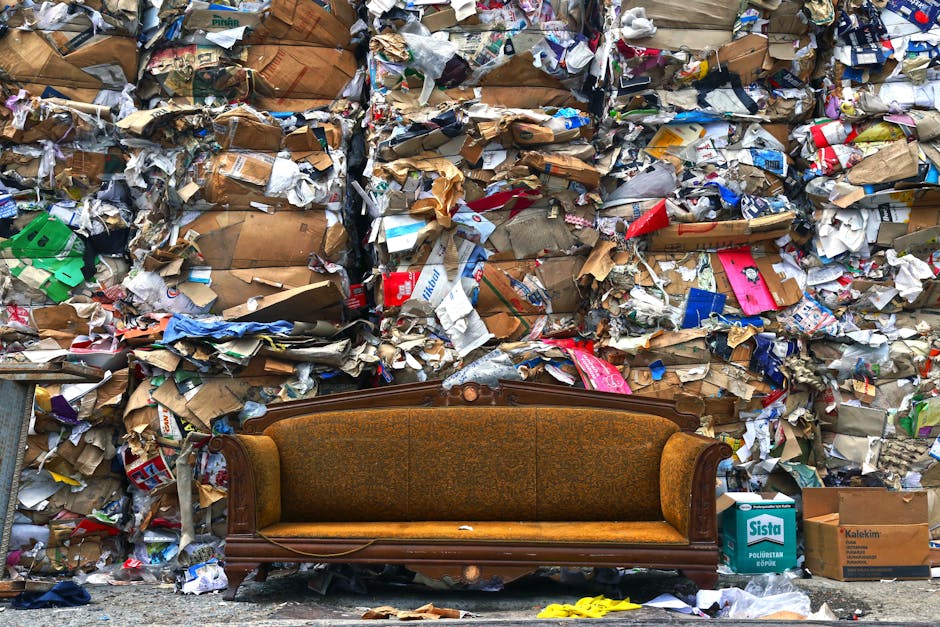
Disposing furniture in Lambeth: Collection and rules
Getting rid of an old sofa, bed frame, wardrobe, or office desk sounds simple until you actually start moving it. Then you realise there are rules, collection slots, bulky items that won't fit in a lift, and the not-so-small question of what to do with furniture that is still usable. If you are disposing furniture in Lambeth: collection and rules can feel confusing at first, especially if you want to stay on the right side of local requirements and avoid a failed collection or a fly-tipping headache.
This guide breaks it down in plain English. You'll find how furniture disposal usually works in Lambeth, what to check before you book a collection, how to prepare items properly, and which common mistakes cost people time and money. We'll also look at practical options for homes and businesses, because truth be told, the "right" method often depends on whether you're clearing a flat, replacing one chair, or emptying an entire office.
One thing you'll notice straight away: the best disposal plan is rarely the most rushed one. A bit of sorting up front can save a lot of hassle later.
Table of Contents
- Why this matters in Lambeth
- How furniture disposal works
- Key benefits and practical advantages
- Who this is for
- Step-by-step guidance
- Expert tips for better results
- Common mistakes to avoid
- Tools, resources and recommendations
- Law, compliance and best practice
- Options and comparison table
- Real-world example
- Practical checklist
- Conclusion
- Frequently asked questions
Why Disposing furniture in Lambeth: Collection and rules Matters
Furniture disposal is not just about clearing space. In a busy borough like Lambeth, it affects safety, access, neighbours, traffic, and how smoothly your household or business keeps moving. A bulky item left in the wrong place can block a hallway, clutter a shared entrance, or end up being treated as abandoned waste. Nobody wants that email from the managing agent, especially on a Monday morning.
It matters because furniture is awkward waste. It can be heavy, dusty, damaged, partly dismantled, or made from mixed materials like wood, metal, foam, and fabric. That mix means collection rules tend to be stricter than for a normal bin bag. Knowing the process helps you avoid last-minute panic and gives you a better chance of choosing a responsible route, whether that's reuse, collection, or removal.
There's also the practical side. A clear plan means you can coordinate around move-out dates, tenancy handovers, refurbishment work, or office reconfiguration. In our experience, people often wait too long and then realise the furniture has to go before the cleaners arrive or the keys are returned. A little early thinking can make the whole day feel far less chaotic.
How Disposing furniture in Lambeth: Collection and rules Works
Most furniture disposal follows a similar pattern: identify the item, check whether it can be reused, decide how it should be removed, and then prepare it for collection or drop-off. The exact route depends on the size and condition of the item, where it is located, and whether you are dealing with a single piece or a full property clearance.
For many households, the key decision is whether the furniture is still in good enough condition to be passed on. If it is clean, stable, and safe to use, reuse is often the most sensible option. If it is broken, water-damaged, infestation-damaged, or falling apart, disposal becomes the better route. That sounds obvious, but people do sometimes hang on to a warped bookshelf because "it might do for the shed." It usually doesn't.
In Lambeth, collection rules generally focus on keeping items accessible, preventing hazards, and making sure waste is handled properly. That means you may need to separate furniture from other rubbish, remove loose items, and place it in a suitable spot for pickup. For buildings with stairwells, narrow corridors, or controlled entry systems, access planning matters just as much as the item itself.
If you are arranging a broader move at the same time, it can help to coordinate furniture removal with a service such as man and van support or a larger vehicle through moving truck hire. For households clearing multiple rooms, home moves and house removalists can simplify the process. Businesses with desks, chairs, and filing cabinets often benefit from commercial moves or office relocation services when disposal is part of a wider relocation.
What usually makes a collection straightforward?
- The item is ready to move and not buried under other clutter.
- There is a clear route from the item to the exit.
- Large items have been dismantled where safe and practical.
- Any sharp edges, loose glass, or heavy detached parts are made safe.
- The collection time fits with building access and parking conditions.
If you are not sure how to prepare things, a service that includes packing and unpacking support can be useful when furniture disposal is part of a bigger move or clear-out. It is not glamorous work, no, but it saves a surprising amount of time.
Key Benefits and Practical Advantages
Handled well, furniture disposal gives you more than just a cleaner room. It reduces stress, makes spaces safer, and prevents items from hanging around for weeks because nobody can quite decide what to do with them. That is a very London problem, by the way: one old sofa becomes the unofficial guest of the hallway.
Here are the main advantages of using a structured approach:
- Faster clearance: you avoid delays caused by guesswork or repeated trips.
- Better compliance: you reduce the chance of incorrect disposal or roadside abandonment.
- Less physical strain: bulky furniture is awkward, especially up stairs or through tight entrances.
- Improved reuse opportunities: usable items can often be passed on rather than wasted.
- Cleaner handovers: useful for landlords, tenants, sellers, and business premises.
There's also a financial angle, although it varies by item and method. Reusing or donating furniture can sometimes avoid removal costs altogether. Even when that is not possible, efficient loading and sensible preparation can reduce the need for extra labour. Small wins, but they add up.
For people who want a single point of contact, furniture-specific help such as furniture pick-up can be a practical option. It is especially handy when the item is too bulky for a standard vehicle or too awkward to move on your own. Let's face it, not everyone wants to wrestle a wardrobe down three flights of stairs before breakfast.
Who This Is For and When It Makes Sense
This topic is relevant to far more people than you might think. If you live in a flat in Lambeth, manage a rental property, run an office, or are preparing for a move, furniture disposal can appear at almost any stage. It often turns up right at the moment you already have too much on your plate.
Typical situations include:
- Tenants moving out: old furniture needs clearing before inventory checks or key handover.
- Landlords and letting agents: abandoned or unwanted furniture has to be removed before re-letting.
- Homeowners downsizing: large pieces may no longer fit the new layout.
- Families upgrading rooms: old beds, wardrobes, and sofas need to go somewhere.
- Offices changing layout: desks, office chairs, and storage units may become surplus.
- Businesses relocating: some furniture moves, some is replaced, and some is simply no longer worth transporting.
It also makes sense when items are damaged beyond repair, no longer safe to use, or too costly to store. If a chair wobbles every time someone sits down, or a sofa has seen better decades, disposal is usually the sensible choice.
For businesses especially, the decision can be part of a wider relocation plan. In those cases, a combination of removal truck hire and office relocation services can help keep the project moving without turning the workplace into a maze of half-packed furniture.
Step-by-Step Guidance
A good furniture disposal plan does not need to be complicated. It just needs a clear order. Here is a practical way to approach it.
- List the items. Walk through the property and note every piece you want to remove. Include large items, smaller side pieces, and anything stuck in storage areas.
- Sort by condition. Separate items into reusable, repairable, and unusable. Be honest. That scratched coffee table may have sentimental value, but that does not make it structurally sound.
- Check access. Measure stairwells, doorways, lifts, and parking space if needed. This is where many people get caught out.
- Decide the method. Reuse, donation, collection, or removal service. Choose based on condition, urgency, and how much lifting is involved.
- Prepare the item. Empty drawers, remove cushions, detach legs where safe, tape loose doors shut, and make sharp edges safe.
- Schedule the collection. Match the pickup time to access availability, building rules, and your own timetable.
- Confirm what stays and what goes. This sounds basic, but in shared homes and offices items are often mistaken for rubbish. Awkward, to say the least.
- Keep proof if needed. For rentals or business spaces, a quick photo record can help show what was removed and when.
If you want help moving furniture out without the strain, a local man with van service can be a sensible middle ground for one-off items or small loads. For slightly bigger jobs, a dedicated vehicle or crew may be better. The right choice depends on volume more than anything else.
A simple decision rule
If the item is usable, try reuse. If it is large but movable, book a collection or removal. If it is damaged, unsafe, or in a difficult location, plan a more hands-on removal solution. That's the short version, and in most real-life situations it works pretty well.
Expert Tips for Better Results
Here are a few practical tips that make a real difference when disposing of furniture in Lambeth. Nothing flashy. Just the things that save time, prevent damage, and make the day less annoying.
- Disassemble only where sensible. Remove legs, shelves, and detachable parts if it improves access. Don't force anything that could damage the item further.
- Protect walls and floors. In older properties and tight staircases, a single awkward corner can leave a mark. A little protection goes a long way.
- Bundle small fittings together. Put screws and brackets in a labelled bag so nothing gets lost if the item is being reused or moved.
- Check lift and building rules first. Some buildings have specific times or requirements for bulky removals.
- Separate reusable textiles. Cushions, mattress toppers, or removable covers may be handled differently from the frame.
- Plan parking early. In busy streets, the distance from door to vehicle can be the difference between a quick job and a tiring one.
One small but useful habit: take two minutes before collection to clear the final path. It sounds almost too simple, but a tidy route prevents the half-step, half-lift shuffle that slows everyone down. And yes, that shuffle is as clumsy as it sounds.
If your disposal is tied to a wider move, services like moving truck support can make repeated trips unnecessary. That matters when you are juggling keys, parking, and a building manager who has just one very specific time slot in mind.
Common Mistakes to Avoid
Most furniture disposal problems are avoidable. The tricky part is that they usually look harmless until they cause a delay. Here are the mistakes that come up again and again.
- Leaving sorting until the last minute. This creates rushed decisions and missed items.
- Assuming every item can be collected the same way. Sofas, wardrobes, mattresses, desks, and shelving often need different preparation.
- Blocking access with other clutter. The item you want gone should not be buried behind three bags of household bits.
- Ignoring building restrictions. Shared entrances, narrow hallways, and lift booking rules can all slow things down.
- Dumping items outside too early. This can create an eyesore, attract complaints, or be treated as improper disposal.
- Forgetting about safety. Broken glass, loose screws, splintered wood, and protruding springs are easy to overlook.
Another common issue is mixing furniture with general rubbish. That can make sorting harder and sometimes lead to the whole pile being handled less efficiently. Keep things separate where you can. It is a small bit of extra effort, but it pays off.
And here is the one people often regret: not checking whether the item could have been reused. Once it's gone, it's gone. If you have a decent table or a good chair, take a moment before deciding it is waste. You might save it from the skip and save yourself a bit of money too.
Tools, Resources and Recommendations
You do not need a van full of specialist kit to manage furniture disposal, but a few basic tools make the job easier and safer. Most households already have some of them lying around.
- Measuring tape: useful for doorways, lifts, and stair turns.
- Screwdrivers or a basic tool kit: handy for dismantling certain items.
- Heavy-duty gloves: helpful for grip and protection from splinters or sharp edges.
- Strong tape and bags: for loose parts, fixings, and smaller accessories.
- Furniture blankets or wrap: useful when moving items through tight areas.
- Marker pen and labels: especially useful for multi-room clear-outs or office moves.
For larger jobs, a removal team can save a lot of effort. If you are comparing support options, look at the size of the load, the access conditions, and whether you need manpower more than vehicle space. A single chair is one thing; a three-piece suite and a wardrobe are another story entirely.
In many cases, a straightforward collection service is enough. In others, especially where there are stairs, tight entrances, or multiple bulky items, house removalists or a tailored pickup solution can be a better fit. If you are clearing a business space, the most sensible choice may be a broader commercial moves arrangement so furniture disposal happens alongside everything else.
Helpful summary: the simpler the access and the clearer the plan, the smoother the collection. If either of those things is messy, build in more time. That is usually the honest answer.
Law, Compliance, Standards, or Best Practice
When furniture is disposed of, there are some basic legal and practical expectations to keep in mind. The exact requirements can vary depending on the item, the building, and the type of disposal service involved, so it is wise to treat this as general guidance rather than a substitute for case-specific advice.
In the UK, waste should be handled responsibly, and it is generally expected that bulky items are not left where they create an obstruction, a safety risk, or a nuisance. Fly-tipping is a serious issue, and even when someone says they "meant to move it later," that does not usually help. If a collection is booked, the items should be prepared in the way requested and placed only where agreed.
Best practice also means being careful with personal information. Office furniture such as desks, filing units, or storage cabinets may come with papers, labels, or equipment left inside. Clear them properly before removal. It sounds obvious, but people are human and things get left behind. Receipts, old notes, keys, and chargers have a habit of hiding in drawers.
For businesses, it is sensible to plan disposal alongside wider workplace changes so that health and safety, access, and handover obligations are not overlooked. If your move involves packing, dismantling, or staged removal, coordinating with packing and unpacking services can help keep the process orderly.
Best-practice principle: if you would not be comfortable leaving the item in a shared entrance for a day, do not do that. Arrange proper removal instead.
Options, Methods, or Comparison Table
Different furniture disposal methods suit different situations. There is no single winner for everyone, which is why comparing them side by side helps.
| Method | Best for | Advantages | Watch-outs |
|---|---|---|---|
| Reuse or donation | Items in good condition | Reduces waste, may avoid removal cost | Not suitable for damaged or unsafe items |
| Standard bulky collection | Single or small number of large items | Convenient for simple clear-outs | Preparation and access rules still matter |
| Removal service with vehicle | Multiple items or awkward access | Less lifting for you, better for complex jobs | May need advance booking |
| Full move support | House or office relocations with disposal | Combines transport, loading, and clearance | More planning needed, but usually worth it |
For many readers, the real question is not "what is the cheapest?" but "what gets this sorted with the least stress?" Those are not always the same thing. A cheap shortcut that leads to multiple trips can cost you more in time, energy, and frustration.
If you need flexible transport, a man with van arrangement may suit lighter, smaller furniture loads. If the volume is larger, upgrading to a bigger vehicle can be the safer bet. No point trying to be clever with a tiny van and a dining table that clearly has opinions about doorways.
Case Study or Real-World Example
Here's a realistic example based on the kind of situations people face every week. A couple in Lambeth were moving out of a two-bed flat and had three items they no longer wanted: a worn sofa, a bedside cabinet, and a heavy desk that had been used as a work-from-home setup. The sofa was too bulky for a standard car, the desk needed dismantling, and the cabinet was usable but not worth taking to the new place.
They started by checking which items were worth keeping. The cabinet was clean enough to pass on, so that was set aside. The sofa, however, had sagging cushions and damaged fabric, so disposal made more sense. The desk was measured, partially dismantled, and cleared of cables and paperwork. That small prep step made a huge difference. Instead of an awkward load that took ages to manoeuvre, the pieces could be moved more safely.
The main challenge was access. The flat had a narrow stairwell and a busy street outside, so timing mattered. Once the route was cleared and the items were ready, the collection went ahead with far less stress than they had feared. That is usually how it goes: the hard bit is not the lifting itself, but the planning around it.
The couple later said the biggest lesson was simple: do not treat furniture disposal as an afterthought. Deal with it early, and the move feels lighter. Deal with it late, and suddenly every room looks like a puzzle.
Practical Checklist
Use this checklist before arranging furniture disposal in Lambeth:
- Identify every furniture item to be removed.
- Check whether any items can be reused or donated.
- Measure large pieces and note access points.
- Confirm lift, stair, and parking restrictions if relevant.
- Remove personal belongings, paperwork, and loose contents.
- Detach safe-to-remove parts like legs or shelves if helpful.
- Wrap sharp or fragile edges.
- Group items clearly so nothing gets missed.
- Book the right type of collection or removal support.
- Keep the path to the exit clear on the day.
- Double-check what is going and what is staying.
- Have a backup plan if access changes unexpectedly.
Quick tip: if you are unsure whether an item is too awkward to move, assume it may be. That little bit of caution prevents a lot of bruised shins and awkward doorframe moments.
Get a free quote today and see how much you can save.
Conclusion
Disposing furniture in Lambeth does not need to be a headache. Once you understand the collection rules, the condition of your items, and the practical limits of access, the whole process becomes far more manageable. The big win is simple: prepare early, choose the right method, and avoid leaving bulky items to become everyone else's problem.
If you are clearing a home, changing an office layout, or handling a mixed load during a move, the smartest approach is usually the one that keeps things safe, tidy, and properly organised. Not dramatic. Just sensible. And in a busy borough, sensible is underrated.
Whether your furniture is being reused, removed, or taken away as part of a bigger move, a calm, planned approach will always feel better than a rushed one. Small steps. Clear decisions. A much less stressful day.
Frequently Asked Questions
What counts as furniture disposal in Lambeth?
Furniture disposal usually means removing bulky household or office items that are no longer needed, such as sofas, beds, wardrobes, desks, chairs, and tables. The exact method depends on whether the item can be reused, needs to be dismantled, or must be collected as bulky waste.
Can I leave furniture outside for collection?
Only if the collection has been arranged that way and the items are placed exactly where requested. Leaving furniture out too early or in the wrong place can cause complaints, obstruct access, or be treated as improper disposal.
Do I need to dismantle furniture before collection?
Not always. Some items are better left intact, especially if dismantling might damage them or make them harder to carry safely. For large items, removing legs, shelves, or loose parts can help, but only if it is practical and safe.
What should I do with furniture that is still usable?
If the item is clean, stable, and in good condition, reuse is often the best option. That may mean passing it on, donating it, or arranging a collection that can handle suitable items for reuse rather than disposal.
How do I know if an item is too damaged to keep or reuse?
If the item is unstable, broken, water-damaged, infested, or uncomfortable to use safely, disposal is usually the better choice. A quick honest check is often enough. If you would not put it in your own living room, it is probably ready to go.
Is furniture collection different for flats and houses?
Yes, mainly because access can be very different. Flats may involve stairwells, lifts, shared entrances, and limited parking, while houses may offer easier loading but still have narrow hallways or tight turns. Access planning matters either way.
What if I have furniture from an office clear-out?
Office furniture usually needs a slightly more organised approach because there may be desks, chairs, storage units, and equipment to remove together. For larger projects, combining disposal with office relocation services or commercial moves can make the whole job smoother.
How far in advance should I plan furniture disposal?
As early as possible, especially if you need access coordination or are working to a move-out deadline. Even a few days of preparation can make a big difference. If parking or building access is tricky, allow longer.
What is the best option for just one or two large items?
For a small number of items, a focused pickup service or a local man and van arrangement is often practical. It gives you flexibility without needing a large vehicle for a tiny load.
Are there rules about putting furniture in shared areas?
Yes, shared hallways, stairwells, and entrances should not be blocked. Even temporary placement can cause issues with safety and access. Always check building rules and keep communal areas clear wherever possible.
Can furniture removal be combined with a house move?
Absolutely, and that is often the smartest way to do it. If you are moving home, combining disposal with home moves or house removalists services can reduce repeated handling and keep the move more organised.
What is the main mistake people make with furniture disposal?
The most common mistake is leaving everything too late. Once you are under time pressure, it becomes harder to sort items properly, plan access, and choose the right removal method. Early sorting saves a lot of trouble later.
Who should I contact if I need help arranging removal?
If you need help with furniture pickup, transport, or a larger move, the most direct next step is to contact the team and explain what needs removing, from where, and by when. Clear details lead to a more accurate plan.