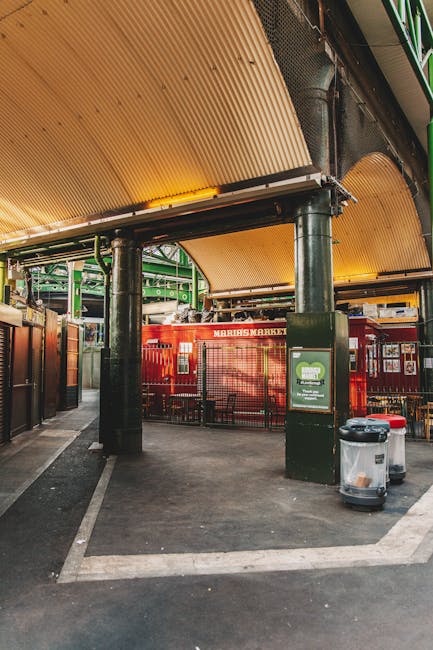
Brixton Market moves: Handling stalls and fragile stock
Moving a market stall is not the same as moving a flat, a shop, or even a small office. In Brixton, where trading spaces can be compact, busy, and full of delicate inventory, the details matter. A good move protects stock, keeps stall hardware organised, and helps you reopen without that frantic first-hour scramble that every trader wants to avoid.
This guide to Brixton Market moves: Handling stalls and fragile stock is designed for stallholders, market traders, and small business owners who need a practical, low-drama way to relocate equipment, display units, and breakable goods. You will find step-by-step guidance, common mistakes, a realistic checklist, and a few trusted service options that can make the job easier.
If you are moving a single stall, resetting a seasonal pitch, or planning a larger commercial relocation, the right preparation saves time and protects margins. Truth be told, the difference between a smooth move and a headache is usually not luck. It is planning.
Table of Contents
- Why Brixton Market moves: Handling stalls and fragile stock Matters
- How Brixton Market moves: Handling stalls and fragile stock Works
- Key Benefits and Practical Advantages
- Who This Is For and When It Makes Sense
- Step-by-Step Guidance
- Expert Tips for Better Results
- Common Mistakes to Avoid
- Tools, Resources and Recommendations
- Law, Compliance, Standards, or Best Practice
- Options, Methods, or Comparison Table
- Case Study or Real-World Example
- Practical Checklist
- Conclusion
- Frequently Asked Questions
Why Brixton Market moves: Handling stalls and fragile stock Matters
Brixton Market has its own rhythm: set-up windows, customer flow, narrow access points, and the constant need to keep trading stock presentable and protected. That makes any move more demanding than a standard domestic removal. Stall frames, folding tables, canopies, signage, crates, chilled goods, ceramics, glassware, bottles, electronics, and artisanal items all need different handling.
The stakes are simple. If stock arrives chipped, crushed, damp, or missing labels, you lose time and money before the first customer even walks past. If the stall equipment is not packed well, set-up takes longer and the whole day starts under pressure. For busy traders, that pressure can show up as missed sales, avoidable wastage, and a messy reopening.
There is also a reputational angle. Customers notice when a stall looks organised. They notice when packaging is tidy, when goods are clean, and when the display comes together quickly. In a market environment, presentation is part of the product.
That is why moving fragile stock is not just about bubble wrap. It is about sequencing, load order, access planning, and knowing what should travel with whom. A thoughtful move protects both the physical goods and the trading day that follows.
For traders who need broader support with stock, equipment, or mixed commercial items, commercial moves tailored to local businesses can be a practical fit. And if you are relocating a larger setup with multiple categories of goods, it helps to look at professional packing and unpacking support rather than trying to improvise on the morning of the move.
How Brixton Market moves: Handling stalls and fragile stock Works
A market move works best when it is treated as a controlled process rather than a single lifting job. The main stages are usually assessment, packing, loading, transport, and reassembly. Each stage has a different risk profile. A strong plan reduces breakage, avoids confusion, and makes the final stall layout easier to rebuild.
First comes the assessment. What exactly is moving? A canopy, table legs, lockable cabinets, hanging rails, signage, packaging supplies, cash boxes, chilled stock, and wrap materials may all need separate treatment. Next comes segregation. Fragile stock should not travel in the same load position as heavy hardware unless it is properly boxed, cushioned, and marked.
Transport matters just as much as packing. Fragile stock should be kept stable, upright where required, and isolated from movement inside the vehicle. In practical terms, that means using the right vehicle size and load layout. If the move is small, a man and van service for smaller market loads may be enough. For bulkier stall equipment, a moving truck for larger consignments can give you better protection and more controlled stacking.
Finally, there is the rebuild. This is where good labelling earns its keep. If each box, crate, and equipment bundle is labelled by stall zone or product category, the receiving side can rebuild quickly. No guessing, no hunting for tape, no opening four boxes to find one till accessory. Market moves can be chaotic; labels are the quiet miracle that keep them sane.
Key Benefits and Practical Advantages
There are several clear advantages to handling a market move properly, especially when fragile stock is involved. Some are obvious, others become obvious only after one bad move.
- Less breakage: Proper packing reduces losses from cracked jars, broken glass, dented packaging, and scuffed display pieces.
- Faster set-up: Organised loads and labels make it easier to rebuild the stall quickly at the destination.
- Better stock control: When items are grouped logically, you can spot missing goods before trading starts.
- Lower stress: A plan reduces last-minute decisions and helps staff focus on the actual move.
- Cleaner presentation: Stock arrives ready to display rather than needing emergency repacking.
- Less downtime: Faster setup means fewer lost sales hours after the move.
There is also an operational benefit that often gets overlooked: a move is a chance to tidy your stock system. Traders sometimes discover that what they thought was a space problem is really a packing problem. Good crate sizes, repeatable labels, and a sensible loading order can improve everyday trading, not just the move itself.
If you already know that your stock needs careful handling, the most useful next step may be a service that combines lifting, transport, and on-site support. For example, a flexible man with van option for hands-on loading can be useful when a stall needs two-person handling rather than a bare vehicle hire. For equipment that is too large or awkward to shift manually, removal truck hire for commercial moves may be the safer route.
Who This Is For and When It Makes Sense
This kind of move is relevant to anyone operating in or around a market environment where stock is handled often and space is limited. That includes food traders, vintage sellers, craft vendors, antiques stalls, clothing resellers, cosmetics stalls, and pop-up retail operators. It also applies to businesses using market stalls as a low-overhead extension of a larger retail operation.
It makes sense when:
- you are changing pitch locations within a market
- you are relocating to a different market or street trading spot
- you need to store stall equipment between trading periods
- your stock includes fragile, valuable, or temperature-sensitive items
- you want staff to spend less time packing and more time trading
It may also make sense if the move is part of a larger life or business transition. Some traders combine their market relocation with a home move, stock reorganisation, or storage clear-out. In that case, a broader service such as home moves support or house removalists for mixed personal and business items may be worth considering if the load is not purely commercial.
If your move is happening alongside an office or back-office relocation, office relocation services can help keep admin items, printers, records, and display assets moving in an orderly way. That matters more than people think; a missing invoice book or printer cable can slow a whole reopening.
Step-by-Step Guidance
A good Brixton Market move is built in stages. Skip one stage and the whole system gets wobblier.
1. Audit every item before you pack
Start with a simple inventory. List stock, packaging, display fixtures, signage, tools, electrical items, and anything fragile. Separate what must move immediately from what can wait. This helps you avoid overpacking and keeps the vehicle load sensible.
For traders with leftover stock or removed display pieces, a planned collection can help. In some cases, furniture pick-up for unwanted or surplus items is a practical way to clear the dead weight before the move.
2. Sort fragile stock by type and by priority
Not all fragile items need the same treatment. Glass bottles need cushioning and upright placement. Ceramics need separate wrapping and stable boxes. Electronics need static-aware packing and dry conditions. Printed materials may need waterproof protection rather than impact protection.
Pack high-value or irreplaceable items first. If something would be painful to replace quickly, it deserves a tighter packing method and a more secure position in the vehicle.
3. Choose the right containers
Use strong boxes, stackable crates, padded dividers, wrap, labels, and, where needed, moisture-resistant sleeves. Ordinary supermarket boxes might seem convenient, but they are rarely the best choice for fragile market stock. A box that buckles halfway through loading is a false economy.
4. Label for speed, not just neatness
Labels should tell you three things at a glance: what the box contains, where it belongs, and whether it is fragile. A good label might read "Glassware - Stall A - Fragile - Open first." That kind of labelling saves time and reduces mistakes when the destination is busy.
5. Build the load from heavy to light
Heavy equipment goes low and stable. Fragile stock goes above or in isolated sections where it will not be compressed. Gaps should be filled so items do not shift during transport. If the load can move, it probably will.
6. Protect the stall structure
Folding tables, rails, frames, and canopies should be separated, tied, and wrapped where needed. Use straps or soft ties to prevent scraping and knocking. Mark all fasteners in a small, labelled bag and tape that bag to the relevant piece of equipment. It sounds minor; it is not minor when you are missing the one bolt that makes the table usable.
7. Rebuild in reverse order
At the destination, unload the essentials first. Then bring in the display furniture, then the stock, then the finishing items such as bags, signage, till accessories, and cleaning cloths. If you unpack in the same order you packed, the process is usually calmer and quicker.
Expert Tips for Better Results
Small decisions make a big difference in market moves. In our experience, the following habits consistently improve outcomes.
- Use colour coding: One colour for stock, one for equipment, one for tools. It makes sorting faster at both ends.
- Keep an open-first kit: Put tape, scissors, cloths, spare labels, and a marker in one accessible box.
- Protect corners: Corners are where many fragile items fail first, especially display units and framed signage.
- Separate liquids: If you sell oils, sauces, perfumes, or cleaning products, keep them away from absorbent stock.
- Plan for weather: Brixton moves do not always happen in ideal conditions. Rain, damp, or heat can affect packaging and stock integrity.
- Check access before the van arrives: Tight streets, timed loading, and pedestrian flow can change the best load order.
One especially useful habit is to photograph the stall before dismantling it. Not for decoration, but because it gives you a visual map of how the layout used to work. That is helpful when you are trying to rebuild a good display under time pressure.
If your stock is unusually delicate, using specialist packing support for fragile goods can be a smart safeguard, especially when staff do not have the time or confidence to pack everything perfectly by hand.
Common Mistakes to Avoid
Most moving errors are predictable. The good news is that predictable mistakes are fixable.
- Packing too tightly. Overfilled boxes crush fragile contents and make lifting harder.
- Using mixed loads with no separation. Heavy stall parts can damage lighter items if everything is thrown together.
- Leaving labels vague. "Stock" is not enough. Say what it is and where it belongs.
- Forgetting loose fittings. Screws, clips, brackets, and shelf supports disappear easily.
- Ignoring opening sequence. If you do not know what needs to come out first, the destination becomes slower and messier.
- Assuming one vehicle type fits all jobs. A small stall move and a mixed commercial move do not have the same requirements.
A quieter mistake is failing to think about what should not move. Some stock is better sold, donated, recycled, or cleared before the relocation. If you have bulky items that no longer serve the stall, a focused collection through furniture pick-up for surplus pieces can reduce load size and keep the move cleaner.
Another common issue is underestimating packing time. Fragile stock almost always takes longer than expected. If a trader says, "We'll just wrap it all quickly," that sentence tends to age badly.
Tools, Resources and Recommendations
Useful market moves depend on simple but reliable tools. You do not need a warehouse full of equipment; you need the right basics and a moving plan that matches the load.
| Tool or resource | Why it helps | Best used for |
|---|---|---|
| Strong boxes and crates | Protects items from compression and movement | Glassware, ceramics, small stock, printed items |
| Bubble wrap and paper wrap | Cushions items and fills voids | Breakables and mixed fragile stock |
| Marker pens and labels | Helps with fast identification | Boxes, hardware bags, display parts |
| Straps and blankets | Reduces shifting and surface damage | Stalls, tables, rails, and cabinets |
| Vehicle with adequate load space | Keeps fragile stock from being cramped | Medium and larger market moves |
For smaller jobs, a simple transport solution is often enough. For example, a man and van service for flexible local moves can suit traders who need help with loading and short-distance transport. For larger or more structured moves, a dedicated commercial moving service may be more appropriate because it is designed around business continuity rather than just transport.
If you need to understand the provider behind the service, a quick look at the company background is worth the time. Pages such as about us can help you assess whether the service feels established, practical, and clear about what it offers. And if you are ready to discuss a move directly, the simplest next step is usually contacting the team for a tailored quote.
Law, Compliance, Standards, or Best Practice
Market moves can involve access rules, trading permissions, parking restrictions, health and safety duties, and site-specific requirements. The exact obligations depend on the location, the landlord or market operator, and the type of goods being handled. It is sensible to confirm local requirements before moving day rather than assuming the same arrangements apply everywhere.
At a practical level, good compliance usually means:
- keeping walkways clear during loading and unloading
- using safe lifting methods and enough staff for awkward items
- protecting the public from unstable loads or trailing packaging
- securing fragile goods so they do not become hazards in transit
- checking whether parking, access, or unloading windows are restricted
If food, drink, or other temperature-sensitive stock is involved, you may also need to think about hygiene, contamination risk, and time out of controlled conditions. The safest approach is to treat compliance as part of the move plan, not as an afterthought.
Where a trader works with multiple sites or mixed personal and business belongings, it can help to review service terms carefully. Standard business pages such as service terms and conditions are useful for understanding expectations, limits, and responsibilities before the move begins.
Options, Methods, or Comparison Table
Different move types suit different market situations. The best option depends on how much stock you have, how delicate it is, and how quickly you need to reopen.
| Method | Best for | Strengths | Watch-outs |
|---|---|---|---|
| Self-managed move | Very small stalls with limited stock | Low direct cost, full control | Higher risk of breakage, slower set-up |
| Man and van | Small to medium loads needing flexible handling | Practical, quicker than self-move | May be tight for bulky stall structures |
| Dedicated moving truck | Larger loads or mixed stall equipment | More space, better load separation | May be more than needed for a tiny move |
| Full packing plus transport support | Fragile inventory or time-sensitive reopenings | Less stress, better protection, faster unpacking | Requires more planning and coordination |
For many Brixton traders, the sweet spot is a blended approach: some stock packed in-house, the fragile items handled more carefully, and the vehicle chosen to match the actual load rather than an optimistic guess. A move does not have to be over-engineered to be smart.
Case Study or Real-World Example
Consider a fictional but realistic Brixton trader who sells handmade ceramics, candles, and small display accessories. The stall includes folding tables, shelving, branded signage, stock boxes, and a few heavy back-up crates. The trader is moving to a different pitch and needs to reopen the next day.
The first challenge is not the ceramics. It is the mix of items. The tables cannot be packed like stock, the candles cannot sit under the shelving brackets, and the display pieces need to stay clean and presentable. The trader starts with an inventory, then splits the move into three groups: stall hardware, fragile retail stock, and open-first essentials.
Glass items are wrapped individually and placed in reinforced boxes. Candles are boxed separately so heat and pressure do not damage their shape. The tables and frames are strapped with blankets around the edges. The signage is flattened and labelled. One labelled box holds tape, scissors, spare tags, and a marker pen. That box is unloaded first at the destination.
The result is not dramatic, which is exactly the point. The trader opens on time, there is very little breakage, and the stall looks tidy rather than rushed. That is what a good move should do: quietly remove problems before they become visible.
Practical Checklist
Use this checklist before moving day. It is short on purpose.
- Make a full inventory of stock and stall equipment
- Separate fragile, valuable, and temperature-sensitive items
- Remove surplus, damaged, or unnecessary goods before packing
- Gather strong boxes, wrap, labels, tape, and markers
- Label every box with contents, destination, and fragility notes
- Bag and label screws, clips, and fittings by item
- Plan the vehicle load from heavy to light
- Confirm access, parking, and unloading arrangements
- Keep an open-first box for essentials and tools
- Photograph the original stall layout if you need to rebuild it later
- Check that all fragile items are cushioned and secured
- Review the unpacking order before arrival
Practical summary: The most successful market moves are rarely the flashiest. They are the ones where stock is grouped properly, stall parts are labelled clearly, and the vehicle is loaded with care. A little structure now usually saves a lot of panic later.
Conclusion
Brixton Market moves are manageable when you treat them as a retail logistics task rather than a rushed loading job. The key is to protect fragile stock, separate stall hardware from delicate goods, and make the unpacking sequence as deliberate as the packing sequence. That approach reduces breakage, speeds reopening, and helps the stall look professional from the first minute.
Whether you are moving a compact pitch or reorganising a larger commercial setup, the right support can make the whole process easier to control. Start with the inventory, choose the right transport, and do not leave the fragile items to chance.
Get a free quote today and see how much you can save.
Frequently Asked Questions
What is the best way to move fragile stock from a market stall?
Pack fragile stock by type, wrap items individually where needed, use strong boxes or crates, and label each container clearly. Keep heavy items separate from breakables and load the vehicle so nothing can shift during transport.
How do I move a market stall without damaging the frame or fittings?
Disassemble the stall carefully, bag small fittings together, and keep each part grouped with its matching hardware. Blankets, straps, and corner protection help prevent surface damage during loading and unloading.
Should I use a man and van or a larger truck for Brixton Market moves?
It depends on the size and mix of the load. A man and van can suit smaller stalls or lighter stock, while a larger truck is usually better for bulky equipment, mixed inventory, or more careful load separation.
How far in advance should I prepare for the move?
As early as possible. Even a small stall move benefits from an inventory, packing supplies, and a clear loading plan. If fragile stock is involved, starting early reduces the chance of rushed packing and preventable breakage.
What should go in an open-first box?
Put the tools and supplies you need immediately: tape, scissors, markers, spare labels, cloths, gloves, and any small items required to start rebuilding the stall. This saves time when you arrive and helps avoid lost momentum.
Can I mix stock and stall equipment in the same vehicle load?
Yes, but only if the load is properly separated and secured. Heavy hardware should not press against fragile stock, and loose fittings should be kept in labelled bags so nothing gets lost or damaged.
How do I protect glassware, ceramics, or bottled goods during transport?
Use cushioning material, upright placement where appropriate, and sturdy boxes with voids filled so items cannot slide around. If the goods are especially delicate, consider professional packing help rather than rushing the job.
Do I need to clear surplus stock before moving day?
Usually yes, if the stock is damaged, obsolete, or simply not worth moving. Clearing surplus items can reduce load size and make the move faster. In some cases, a pickup or disposal service is the simplest option.
What are the most common mistakes market traders make when moving?
The biggest mistakes are poor labelling, overpacked boxes, mixed loads without separation, forgetting fittings, and underestimating the time needed to pack fragile items. These are all avoidable with a simple plan.
Is there anything special to consider for food or drink stock?
Yes. Food and drink items may need attention to hygiene, temperature, and contamination risk. It is sensible to check the handling requirements for your products before moving them, especially if they are perishable.
How can I reopen faster after a market move?
Label everything clearly, keep an open-first box, group the stall equipment logically, and unload in the order you will need items. If the stall layout is photographed before dismantling, rebuilding tends to be much quicker.
Where can I get help if my move is bigger than expected?
Look for services that handle commercial moves, packing support, and suitable vehicle options. A provider that can combine transport with loading help is usually easier to work with than trying to organise several separate suppliers.