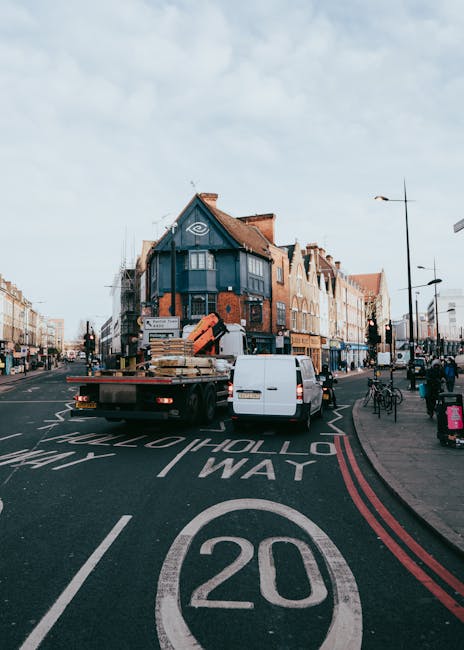
24-hour Brixton Village bakery move: Removals case study

Moving a bakery in Brixton Village is never just about boxes and a van. You are dealing with chilled ingredients, ovens, fixtures, fragile display items, narrow access, neighbours who are already busy, and a trading environment where one lost day can ripple straight into sales. That is why a 24-hour Brixton Village bakery move: Removals case study is such a useful lens. It shows what a tight, real-world relocation can look like when the clock is ticking and the margin for error is tiny.
In this article, we break down what makes a rapid bakery move different, how the process typically works, where the risks hide, and how to plan it properly without turning the whole thing into a midnight panic. If you are a bakery owner, a market trader, a hospitality manager, or simply someone trying to understand how specialist removals handle fast commercial moves in central London, this will give you the practical view. Not the glossy version. The useful one.
Truth be told, the best moves are the ones that look almost boring from the outside. Behind the scenes, though, there is usually a lot of very careful coordination.
| Contents | Jump to |
|---|---|
| Why this kind of move matters | Why 24-hour Brixton Village bakery move: Removals case study Matters |
| How the move works | How 24-hour Brixton Village bakery move: Removals case study Works |
| Benefits for business owners | Key Benefits and Practical Advantages |
| Who it suits | Who This Is For and When It Makes Sense |
| Planning steps | Step-by-Step Guidance |
| Expert guidance | Expert Tips for Better Results |
| Common mistakes | Common Mistakes to Avoid |
| Tools and resources | Tools, Resources and Recommendations |
| Compliance and best practice | Law, Compliance, Standards, or Best Practice |
| Methods compared | Options, Methods, or Comparison Table |
| Case study example | Case Study or Real-World Example |
| Practical checklist | Practical Checklist |
| Frequently asked questions | Frequently Asked Questions |
Why 24-hour Brixton Village bakery move: Removals case study Matters
A bakery move is rarely just a premises change. It is a live interruption to production, stock flow, customer expectations, and sometimes staff routines too. In a place like Brixton Village, the pressure rises because access can be tight, timings matter, and the surrounding trade is active from early morning into the evening. You are not simply shifting furniture. You are protecting a working food business.
The 24-hour window matters because it forces discipline. There is no room for vague planning or "we will see how it goes". Every item has to know where it is going, who is handling it, and when it needs to be back in use. If the bakery sells fresh bread, pastries, or speciality products daily, even a short delay can affect supply and customer trust. That is the real business issue here.
There is also a reputational angle. Customers notice when a favourite bakery disappears for too long, even in a busy area where shops open and close around them. A quick, controlled move keeps the business visible and reduces the risk of that awkward post-move lull where everyone is trying to figure out what happened.
For removals teams, a case study like this highlights the difference between generic moving and specialist commercial relocation. The job is about sequencing, packing discipline, and site awareness. A good team does not just load a van. It plans the move so the new site can reopen with minimal scrambling. That is the bit people do not see, but absolutely feel.
Key takeaway: the value of a 24-hour bakery move is not speed for its own sake. It is speed with control, so the business can get back to trading before the disruption starts eating into sales and goodwill.
How 24-hour Brixton Village bakery move: Removals case study Works
A successful fast bakery relocation usually begins long before moving day. The 24-hour timeline is really the final execution phase of a much larger plan. The best approach is simple in principle, though not always simple in practice: assess, prepare, pack, move, reinstall, test, and hand back a usable site.
1. Pre-move survey and scope
The first step is a proper walk-through of both premises, if possible. A removal team will want to know what is staying, what is being discarded, what needs specialist handling, and what the access looks like at both ends. For a bakery, that usually includes ovens, mixers, fridges, display counters, shelving, packaging stock, and small tools that can go missing very easily. Very easily.
This stage also clarifies the awkward bits. Are there stairs? Is the doorway narrow? Can a van stop close enough to the unit? Are there loading restrictions? Will items need to be moved outside trading hours? These details matter more than people think, because one missed access problem can eat a whole hour.
2. Packing by priority, not by room
Bakery moves work better when packing follows function. For example, products and ingredients used first at the new site should be packed together and labelled clearly. Small utensils, point-of-sale items, and essential cleaning materials need their own priority box or crate set. A room-by-room approach sounds organised, but in practice it can mix critical items with low-priority storage and slow everything down.
Labeling should be blunt and practical. "Front counter display", "chilled stock", "Morning prep tools", and "Refrigerated items" are better than cryptic codes nobody understands at 6 a.m. If your team cannot read the label and act on it quickly, the label is not helping.
3. Food-safe handling and protection
Bakery equipment is often greasy, warm, fragile, or a bit of all three. Even when items are not technically delicate, they may still need protection from dust, knocks, moisture, or cross-contamination. Clean wrapping, sealed crates, and sensible separation between food contact items and non-food items are all part of good practice.
For chilled or temperature-sensitive items, timing becomes critical. You would not want ingredients sitting around while the team debates where the last trolley should go. No one wants the "we thought someone else was handling that" moment. Not on a bakery move, anyway.
4. Load sequence and transport
Loading should follow the destination plan, not the van's available space. Heavy, stable equipment goes in first, with fragile or urgently needed items accessible for quick unloading. In a 24-hour move, the unloading order is just as important as the loading order. If the new site needs counters, fridges, and prep tools before anything else can happen, those items must be placed where they can be reached immediately.
5. Reassembly and functional checks
Once everything is at the new site, the practical work begins again. Ovens may need positioning, counters may need leveling, and fridges may need time to settle before use. There may also be a realistic pause while staff check that essentials are working: power, lighting, access routes, storage layout, and basic workspace flow.
That final check can feel dull, but it is where many problems are caught. A drawer jammed against a wall, a cable routed badly, a fridge placed in the wrong spot - small things, big annoyance. Better to spot them before the first busy morning than after customers are already at the door.
Key Benefits and Practical Advantages
A well-run bakery move is worth more than a clean van and a few strong backs. It creates breathing room in a situation where most businesses feel pressed from all sides. Below are the main advantages that usually matter most.
- Reduced downtime: the whole point of a 24-hour move is to get trading back on track quickly.
- Better stock protection: careful packing reduces damage, contamination risk, and waste.
- Less staff disruption: a planned move keeps the team focused on essential tasks instead of firefighting.
- Cleaner reopening: if equipment and fixtures are set out logically, the new site feels functional sooner.
- Lower stress: to be fair, that alone can make the whole project feel far more manageable.
There is also a customer-facing benefit that gets overlooked. When a bakery reopens smoothly, customers see momentum rather than chaos. The move looks deliberate, not desperate. And in a place like Brixton, where local loyalty can be strong, that matters more than people admit.
Another advantage is that a tight move often forces clearer decision-making. If you only have 24 hours, you naturally separate the essential from the unnecessary. Do you really need every old fixture? Which stock is worth moving, and which is better bought fresh after the move? These decisions can sharpen the business operation, not just the relocation.
Who This Is For and When It Makes Sense
This kind of move suits bakery owners who cannot afford a long closure, especially when their income depends on daily footfall or early-morning production. It also makes sense for businesses moving between nearby premises, where speed matters more than long-distance transport. In short, if you are shifting from one Brixton Village location to another, or from a nearby unit into a more suitable space, a 24-hour removals plan can be the right fit.
It is especially relevant if you are dealing with:
- fresh daily stock that cannot sit around for long
- specialist equipment that needs careful handling
- limited access times in a busy urban setting
- a reopening date tied to trading commitments
- staff who need to start production almost immediately
It may also suit bakeries that are reorganising the layout rather than expanding massively. Sometimes the move is not far, but the complexity is still high because the shopfront, prep area, and storage all need to work from day one. In those cases, moving quickly is less about distance and more about precision.
On the other hand, a 24-hour move may not be the right choice if the new site needs major works before equipment can be installed. If there is heavy fit-out work, electrical changes, or structural repairs still underway, the timeline can get unrealistic very quickly. Better to be honest about that upfront than pretend the impossible is just a long lunch break away.
Step-by-Step Guidance
If you are planning a bakery move under time pressure, the safest route is to break it into very clear steps. Not glamorous. Just effective.
- Inventory everything. List all equipment, stock, packaging, cleaning items, and fixtures that are moving.
- Prioritise the essentials. Separate must-have reopening items from things that can wait until later.
- Check access at both sites. Measure entrances, hallways, stairways, and loading areas before the move.
- Plan the packing order. Group items by use, fragility, and whether they are needed first at the new site.
- Protect food-contact items properly. Use clean wrapping, sealed containers, and sensible separation.
- Set a loading and unloading sequence. Make sure the first items off the van are the ones needed for setup.
- Rebuild the work areas. Position counters, appliances, and prep zones before unpacking every last box.
- Test basics before reopening. Check power, cooling, visibility, hygiene setup, and workflow.
A useful trick is to think in terms of opening sequence. What does the bakery need to do first thing in the morning? That answer should drive the whole move. If you need the coffee station, display cabinet, and bread prep area ready before anything else, those should be easy to reach and clearly marked. Everything else can follow.
It also helps to nominate one person as the decision point. Too many voices during a fast move can slow everything down. One person should be able to answer, "Does this go now or later?" without a ten-minute meeting. That sounds obvious, but in a busy relocation it saves a surprising amount of time.
Expert Tips for Better Results
Here are the kinds of small details that often separate a smooth bakery move from a stressful one.
Keep a "first hour" box
Pack one clearly marked box or crate with the items needed immediately after arrival: tape, markers, cleaning cloths, gloves, spare labels, basic tools, and any opening paperwork. It saves the weird little scramble where everyone is looking for scissors and nobody can find the tape. Happens more than you'd think.
Use colour coding for fast recognition
Labels are good. Colour coding is even better when several people are working at once. For example, red for chilled items, blue for front-of-house, green for prep tools, and yellow for cleaning stock. The exact system matters less than consistency.
Photograph the setup before dismantling
Take quick photos of shelves, cable routes, counter layouts, and appliance positioning before anything is taken apart. Those images help when rebuilding the new site, especially if staff are tired and the layout needs to be reassembled quickly.
Keep the new layout simple at first
Do not overcomplicate the reopening setup. A bakery does not need a perfect showroom on day one; it needs a functional workflow. You can refine the merchandising later. First, get the bread out, the pastries displayed, and the prep area running without constant backtracking.
Allow for a little slack
Even the best plan needs a bit of breathing space. A cable may not reach where expected. A shelf may need adjusting. A freezer may need the right settling time. If you build no margin into the schedule, those small delays can feel bigger than they are. A tiny cushion can be the difference between calm and chaos.
Common Mistakes to Avoid
Some mistakes are so common in commercial moves that they almost deserve their own warning label. Here are the big ones.
- Leaving packing too late: this is the classic problem. Once the final trading day becomes packing day, things get messy fast.
- Underestimating chilled stock management: temperature-sensitive items need careful timing and handling.
- Not measuring access properly: one blocked route can knock the whole schedule off course.
- Mixing priority and non-priority items: if everything is packed together, nothing is easy to find.
- Skipping the reopening test: assuming everything works is a fast way to discover problems at the worst moment.
- Forgetting staff flow: a bakery can look tidy and still feel clumsy if the layout forces people to criss-cross constantly.
Another mistake is treating the move as purely physical. It is not. It is operational. If the new site is not set up for production, the bakery is still effectively half-moved. That half-in, half-out state can be exhausting, because you are paying for the new space but still thinking like the old one.
And yes, there is also the temptation to overpack everything "just in case". Sensible? Maybe. Helpful? Not always. Moving unnecessary items slows the job and makes unpacking harder. Be ruthless where you can be. A little ruthless, anyway.
Tools, Resources and Recommendations
For a fast bakery relocation, practical tools matter more than fancy ones. You want items that make the process visible, controlled, and repeatable.
- Clearly labelled crates and boxes: especially useful for small bakery tools, packaging, and counter items.
- Protective wrapping materials: for fragile fixtures, glass, and equipment surfaces.
- Marker pens and pre-printed labels: simple, but essential.
- Trolleys and dollies: useful for heavier items and reducing strain on staff.
- Cleaning supplies: because no one wants to unpack into a dusty or sticky surface.
- Basic hand tools: for dismantling and reassembly, assuming the right people are handling them.
From a planning point of view, a shared move checklist is one of the best resources you can use. It keeps everyone aligned and reduces the chance of duplicated effort. If one person is packing shelving while another is still deciding what to keep, the whole thing slows down in a very ordinary but irritating way.
If you are choosing a removals provider, look for someone who understands commercial timing, access coordination, and careful handling of business equipment. For broader planning around operational disruption, it can also help to review a dedicated business removals service for Brixton and a local moving service with experience in tight urban access if you are comparing the practical differences between commercial and residential logistics. That context can be useful, even when your move is very much a business one.
Law, Compliance, Standards, or Best Practice
For bakery removals, the main compliance concerns usually sit around food hygiene, safe handling, transport conditions, staff safety, and site access rather than a single dramatic rulebook. In the UK, businesses should be careful about keeping food-contact items clean, avoiding contamination, and making sure equipment is moved and installed safely. If chilled or frozen items are involved, timing and temperature control need extra attention.
There is also the practical matter of workplace safety. Boxes, trolleys, cables, and dismantled fixtures can create trip hazards if the move is not organised properly. For staff, that means sensible lifting methods, clear walkways, and enough supervision to keep the site workable. It sounds obvious, but moves have a habit of turning simple spaces into obstacle courses.
Best practice also means respecting neighbours and local operating conditions. In a place like Brixton Village, noisy loading at the wrong time or blocked access can create problems very quickly. Planning around permitted access windows, keeping routes clear, and working within the building's own rules all help keep the move smooth. The goal is not just to finish fast. It is to finish without leaving a trail of avoidable friction behind you.
If your equipment includes anything that needs specialist installation or testing, make sure the right qualified person handles it. The move team can transport items, but they should not guess at technical reconnection. That is where businesses sometimes get a false sense of speed and then pay for it later.
Options, Methods, or Comparison Table
There are a few ways to approach a bakery move, and the right choice depends on urgency, equipment complexity, and how much downtime the business can tolerate. A quick comparison helps make the trade-offs clearer.
| Approach | Best for | Pros | Trade-offs |
|---|---|---|---|
| 24-hour coordinated move | Urgent relocations with limited closure time | Fast reopening, tight control, less trading loss | Needs disciplined planning and a capable team |
| Phased move over several days | Businesses with more flexibility | Lower pressure, easier sequencing | Can stretch disruption across a longer period |
| Split move with temporary storage | Projects with fit-out delays or limited space at the new site | Useful if the new premises are not ready all at once | Adds handling, timing, and storage coordination |
For a bakery in Brixton Village, the 24-hour option often makes sense because it keeps the operation concentrated. You pack hard, move hard, and reset quickly. That said, it is not a magic fix. If the new unit is unfinished or the team is already stretched thin, a phased approach may be the more realistic choice. Sometimes the slower option is the smarter one. Not glamorous, but true.
Case Study or Real-World Example
Here is a practical example based on the kind of relocation this topic covers.
A small bakery operating in Brixton Village needed to move into a nearby unit within a single day to avoid losing a weekend trading window. The business had a compact front-of-house area, back-of-house prep space, display units, chilled storage, and a modest amount of small equipment and packaging stock. The goal was simple to say and difficult to execute: close at the end of trade, move overnight, and reopen with enough functionality to serve customers the next morning.
The move team began with a pre-arranged packing plan. Priority items were separated from longer-term stock, and the bakery's staff identified which equipment had to be ready first. Display items were grouped by use, while chilled products were timed so they spent as little time out of controlled storage as possible. Access was checked in advance, which mattered more than usual because the loading route was tight and the windows for movement were narrow.
What made the move work was not a miracle. It was sequence. The team unloaded the key fixtures first, positioned the prep area, then organised the front counter so opening tasks could begin immediately. Less urgent items stayed boxed until after trading resumed. The shop did not look finished in a magazine sense, but it was functional, clean, and able to trade. And honestly, that is what mattered.
The main lesson from this kind of case is that the first 24 hours are about restoring capability, not perfection. If the bakery can produce, display, serve, and clean safely, then the move has done its job. The polishing can come later.
Practical Checklist
Use this checklist to keep the move grounded. It is not fancy, but it is useful.
- Confirm the move date and access times at both sites.
- List all equipment, stock, and fixtures that must be moved.
- Separate essential reopening items from low-priority items.
- Label boxes and crates clearly by function.
- Pack chilled or fragile items with extra care.
- Photograph key layouts before dismantling.
- Check loading, unloading, and parking arrangements in advance.
- Prepare cleaning materials for both premises.
- Identify who will make final on-site decisions during the move.
- Test power, cooling, and basic workflow before reopening.
- Keep a first-hour box with essential tools and supplies.
- Allow a small time buffer for unexpected delays.
Practical summary: if the checklist is clear, the packing is honest, and the access plan makes sense, the move becomes manageable. Not easy, exactly. Manageable. That is the real win.
Get a free quote today and see how much you can save.
Conclusion
A 24-hour bakery move in Brixton Village is a test of organisation more than strength. The heavy lifting matters, of course, but the real difference comes from planning, sequencing, and keeping the operation practical from the very start. When the move is handled well, the business gets back to serving customers quickly, with less waste, less stress, and fewer surprises.
That is why this kind of removals case study is valuable. It shows the moving process as a business continuity exercise, not just a transport job. If you are preparing a similar relocation, the safest approach is to plan early, label clearly, keep the essentials close, and avoid the temptation to improvise at the last minute. The calmest move is usually the one that has already done its thinking.
And once the doors open again, the smell of fresh bread and warm pastry does the rest. Lovely, really.
Frequently Asked Questions
How long does a 24-hour bakery move usually take?
It depends on the amount of equipment, the access at both sites, and whether the new unit is ready to receive everything. A 24-hour move is usually an execution window, not a promise that every part of the process happens from scratch on the day.
What makes a bakery move more complicated than a standard shop move?
Bakery moves often involve food stock, chilled items, specialist appliances, fragile display pieces, and time-sensitive reopening requirements. That combination makes planning and sequencing much more important than in a simple retail move.
Can bakery equipment be moved overnight?
Yes, if the route, access, and equipment handling are planned properly. The bigger question is whether the new premises are ready to accept and use the equipment once it arrives.
How do you protect food items during a fast move?
Use clean, sealed containers, keep items separated by type, and move temperature-sensitive stock as late as possible while keeping control over time and conditions. Food safety should guide the schedule, not the other way round.
What should be packed first in a bakery relocation?
Pack the items that are not needed for immediate trading last, and keep the essential reopening tools, fixtures, and materials easy to access. In practice, the first thing off the van should be what the bakery needs to function first.
Do I need a specialist removals team for a bakery move?
Usually, yes. A bakery has more operational risk than a standard domestic move, so a team with commercial experience is better placed to handle access, timing, and fragile equipment carefully.
How can I reduce downtime during the move?
Reduce downtime by planning the packing order, confirming access in advance, separating priority items, and making sure the first setup tasks are obvious to everyone involved. Small efficiencies add up quickly.
What are the biggest mistakes bakery owners make during a move?
The most common mistakes are leaving packing too late, not measuring access properly, mixing priority and non-priority items, and assuming equipment will be easy to reinstall without testing. Those are the ones that tend to bite.
Is a phased move better than a 24-hour move?
Sometimes. If the new site is not ready or the equipment set is too complex for a one-day push, a phased move may be safer. But if business continuity is critical, a well-planned 24-hour move can be the better choice.
What should I check before reopening the bakery?
Check power, cooling, workstation layout, access routes, cleaning readiness, and whether essential tools are in place. You want the site to be functional before customers arrive, not after.
How far in advance should I plan a bakery move?
As early as possible. Even when the actual move is only 24 hours, the planning phase should start well before that so nothing important gets overlooked. Rushing the planning is usually where problems begin.
What if the new bakery unit still needs work done?
If the site is not ready, be careful about forcing the timeline. It is better to delay a move slightly than to relocate into a space where equipment cannot be installed safely or where the business cannot reopen properly.